As a leading spine surgeon in Paramus, Dr. Peter A. Zahos helps patients get clear answers about what is causing their back, neck, or nerve symptoms. He starts with non-surgical care and recommends spine surgery only when necessary.
Conservative-First Care
Neurosurgical Experience
Dr. Zahos is a board-certified neurosurgeon with more than three decades of experience treating spinal, nerve-related, and cranial disorders. His patients receive the depth of expertise associated with academic medicine in a personalized private-practice setting.
He earned his bachelor’s degree from Yale University and his medical degree from George Washington University School of Medicine. He completed his neurosurgery residency and chief residency at Albert Einstein College of Medicine/Montefiore Medical Center.
His previous roles include Chairman of Neurosurgery at Cleveland Clinic Florida, Chief of Neurosurgery at Jacobi Medical Center, and faculty appointments at UCSF and the University of Miami. He has served as a Clinical Assistant Professor of Neurosurgery at New York Medical College since 2016.
Patients can learn more about Level One Neurosurgery.
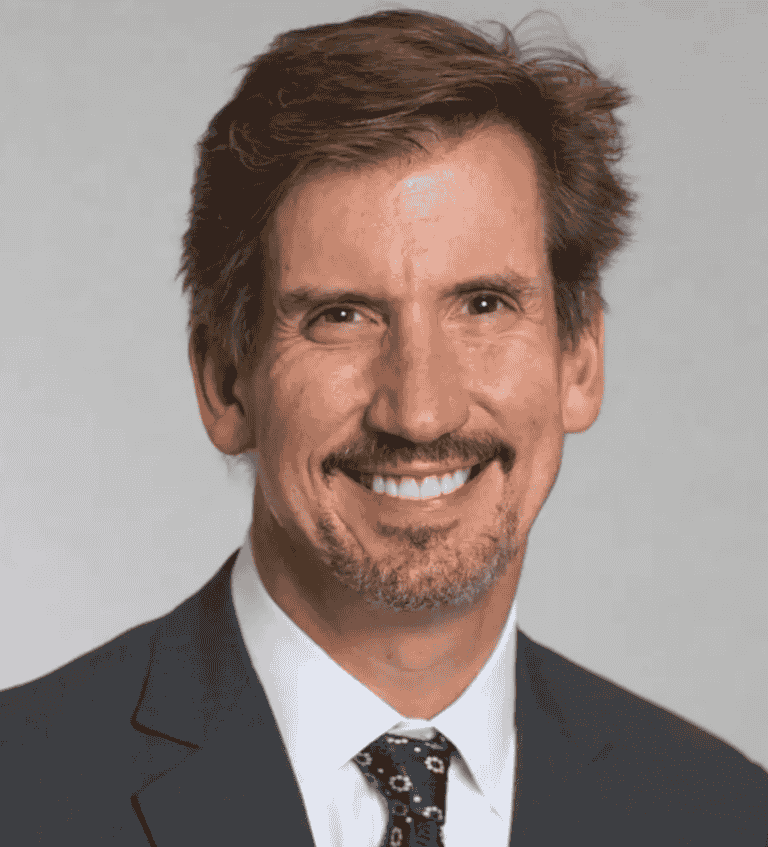
Patients commonly describe Dr. Zahos as thorough, compassionate, calm, honest, and detail-focused. They particularly value his ability to explain complicated imaging findings and treatment choices in understandable terms.
“I had a great experience with this doctor. He explains everything in a way that’s easy to understand, which I truly appreciate. Not only is he highly knowledgeable in his field, but he also takes the time to guide you through what to expect next and makes sure you understand the treatment plan. His professionalism, patience, and willingness to answer questions made me feel informed and confident in my care. I highly recommend him.” – Shynell Mccall
Posted on Google
 shynell mccall
Trustindex verifies that the original source of the review is Google.
I had a great experience with this doctor. He explains everything in a way that’s easy to understand, which I truly appreciate. Not only is he highly knowledgeable in his field, but he also takes the time to guide you through what to expect next and makes sure you understand the treatment plan. His professionalism, patience, and willingness to answer questions made me feel informed and confident in my care. I highly recommend him.Posted on Google Yuderki VilarMy love everything we talk today .and discuss about my problem..Posted on Google
 Miriam OdarI am thoroughly satisfied with Doctor Zahos’ bedside manner and his comprehensive explanation of the procedure. Additionally, his surgery coordinator, Kerry, is an exceptional professional and caring individual
Patients looking for a back surgeon in Paramus can be seen at the office at 140 Route 17 North, which serves people across northern and central New Jersey, including those balancing work and family responsibilities throughout Bergen County.
Many patients arrive after pain has persisted despite initial treatment, after an MRI has revealed an unfamiliar finding, or after surgery has been recommended elsewhere. Dr. Zahos approaches these visits as decisions to clarify not foregone conclusions. He reviews the diagnosis, connects imaging findings to the patient’s symptoms, and explains what should happen next.
Minimally invasive spine surgery may be considered when an appropriate approach can address the problem while limiting tissue disruption.
Lumbar spine surgery may include decompression, laminectomy, microdiscectomy, instrumentation, or reconstruction based on the diagnosis.
Dr. Zahos performs complex spine surgery for selected patients with multilevel disease, instability, or difficult anatomy.
Spinal fusion surgery is recommended only when stabilization is medically necessary and supported by the patient’s examination and imaging.
For abnormal curvature, instability, or multilevel structural problems, spinal deformity surgery may require a carefully planned reconstructive approach.
A second-opinion spine surgery evaluation gives patients an opportunity to confirm a diagnosis, understand alternatives, and ask questions before proceeding.
Spine tumor surgery requires experience with complex neurological anatomy and an individualized assessment of the tumor, symptoms, and treatment goals.
Back, neck, arm, and leg symptoms can arise from different spinal structures. Dr. Zahos uses the history, neurological examination, and imaging to identify whether discs, nerves, joints, the spinal cord, or instability are contributing.
Herniated disc treatment is based on the disc’s location, the nerve involved, symptom severity, and whether weakness or other neurological changes are present.
For canal narrowing, spinal stenosis treatment may begin conservatively, with decompression considered when clinically necessary.
Sciatica treatment focuses on identifying the cause of radiating leg pain rather than treating “sciatica” as a diagnosis by itself.
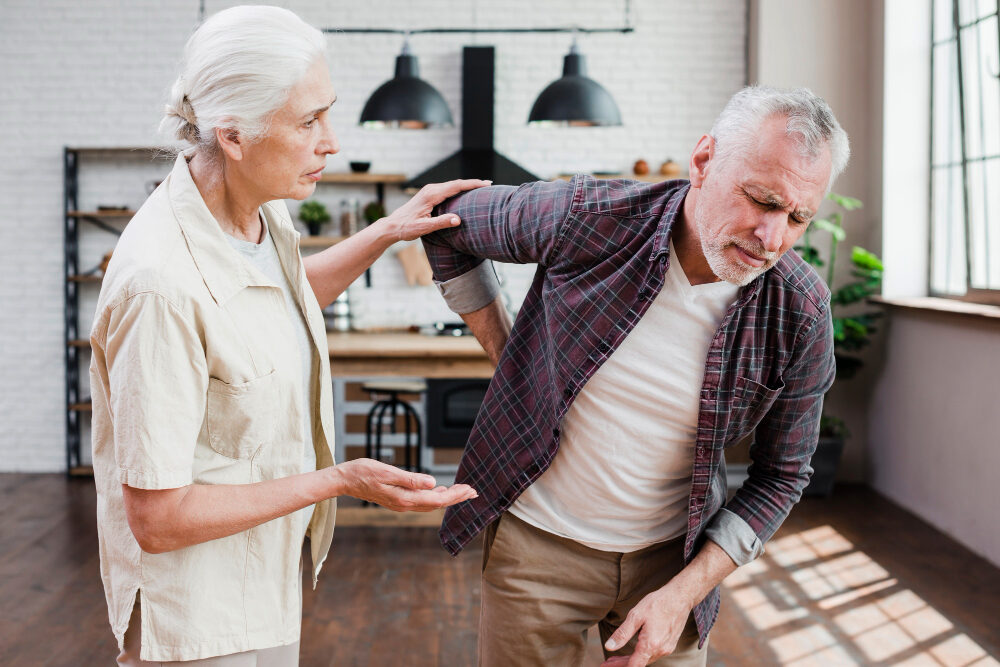
Degenerative disc disease treatment is tailored to whether imaging changes actually correspond with pain, nerve irritation, or instability.
Spondylolisthesis treatment considers the degree of vertebral slippage, symptoms, neurological findings, and functional limitations.
Because spinal-cord compression can affect balance, strength, walking, and hand coordination, myelopathy treatment begins with prompt neurological evaluation.
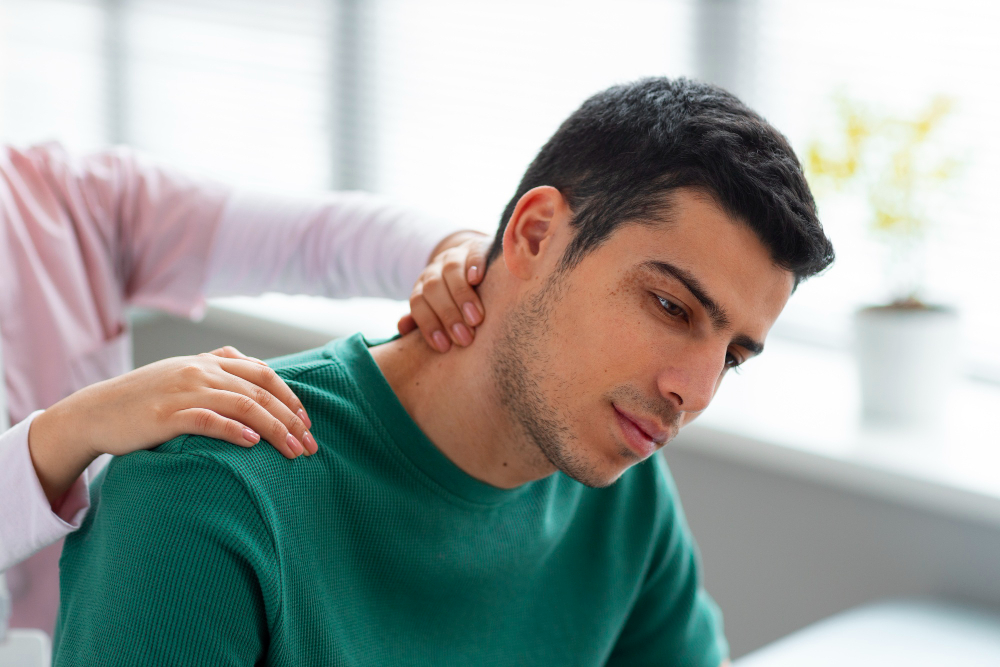
Back pain treatment starts by determining whether pain is disc-related, arthritic, neurological, structural, or muscular.
Neck pain treatment may address disc disease, arthritis, instability, spinal-cord compression, or a compressed cervical nerve.
Pinched nerve treatment is guided by the affected nerve, the cause of compression, and the presence of pain, numbness, or weakness.
Dr. Zahos reviews MRI, CT, X-ray, and EMG/NCS findings when clinically appropriate. His documented capabilities include minimally invasive techniques, navigation-guided and robotic-assisted spinal instrumentation, and advanced cervical and lumbar fusion. Technology is used to support a precise diagnosis and treatment plan, not as a substitute for clinical judgment.
New-patient appointment availability may vary. Patients should call or submit an appointment request to check current availability at the Paramus office.